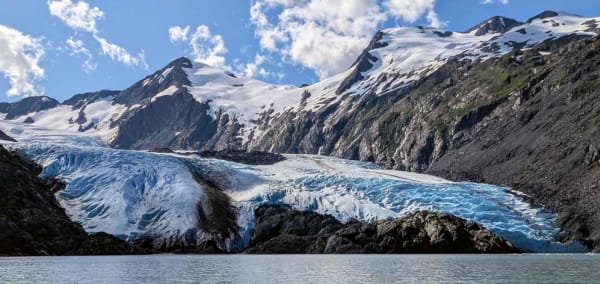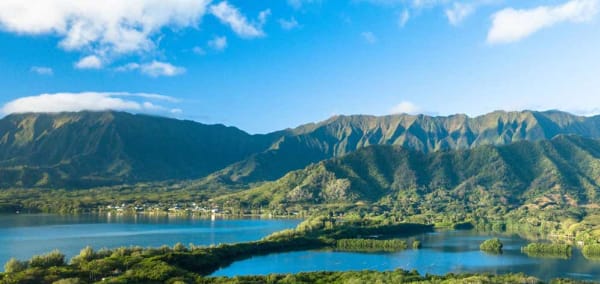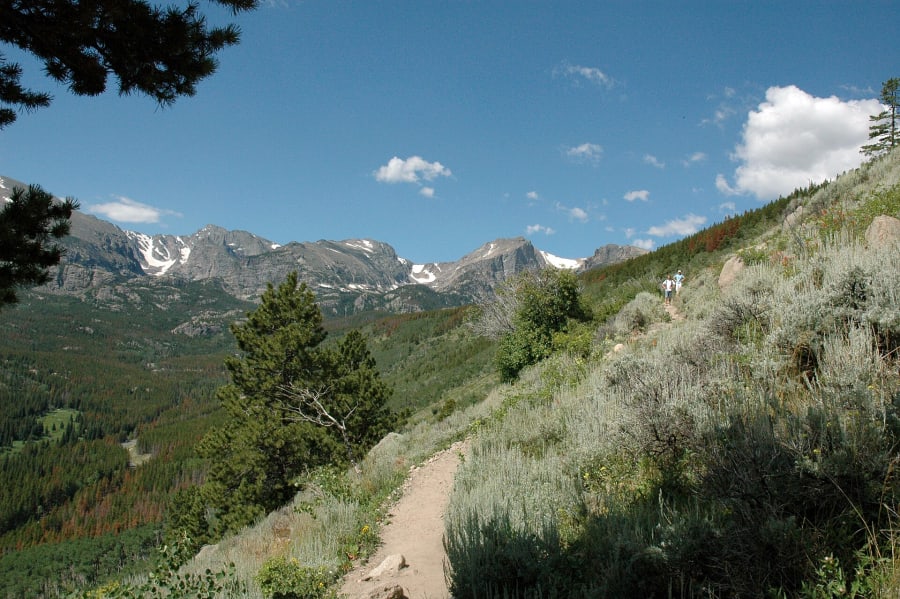
Mountain motels answer a specific hunger. You have driven the last hour of the day into thinning air, the radio gone to static, the temperature dropping a degree with every mile of elevation, and what you want is not a lobby with a chandelier. You want a low building with the lights on, a parking space right outside your door, and the smell of woodsmoke and pine when you step out of the car. The great high-country stays understand that they are not the destination. The mountain is the destination. Their whole job is to send you up it rested and bring you back down to something warm.
That role makes mountain lodges and trailhead motels a category of their own. They cluster near the things people drive for: the trailheads that vanish into the treeline, the ski towns humming under the lifts, the gateways to the national parks. A good one is part base camp and part refuge, a place to sleep hard, dry your gear, feed a dog, and soak the day out of your legs before you do it all again tomorrow.
What makes a great mountain motel
The feeling comes first. The best mountain motels lean into the cabin-and-woodsmoke idea without turning it into a costume. Real wood, a porch you can sit on, a view of something jagged from the bed, and quiet so complete you can hear the creek. It is the difference between a room that happens to be in the mountains and one that could not exist anywhere else. When it is done right, you feel it the moment the door closes behind you.
Underneath the feeling is practicality, and this is where a base camp earns its keep. Alpine days start before dawn, so an early breakfast, or at least coffee going before sunrise, matters more here than almost anywhere. Somewhere to hang wet boots, dripping shells, and a rope to dry overnight keeps a room livable through a rainy week. Dog-friendliness is close to a requirement, because the people who chase mountains tend to travel with animals who love them just as much.
The mountain is the destination; a great high-country motel exists to send you up it rested and bring you back to something warm.
Then there is the reward at the end of the day. A hot tub under a cold sky, after miles of climbing or a full day on the slopes, is the small luxury that turns a hard trip into a great one. Add generous parking so you can load and unload without a fight, a staff that actually knows which trail is running with snowmelt and which pass just closed, and you have the kind of trailhead motel people return to for years. The finest earn a reputation the honest way, one tired, grateful traveler at a time.
Where to find them
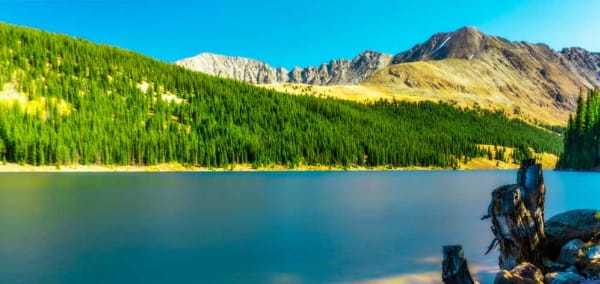
American mountain motels live wherever the country stands up on its edge, and each range gives them a different character. In the Rockies, they gather at the feet of big passes and around the gateway towns to the great parks, built for long days at altitude and long views out the window. The Sierra brings granite and giant trees, with stays scattered along the roads into the high basins and the parks that made the range famous. The Cascades run wetter and greener, their motels tucked under volcanoes and into deep evergreen valleys where the trailheads start almost at the door.
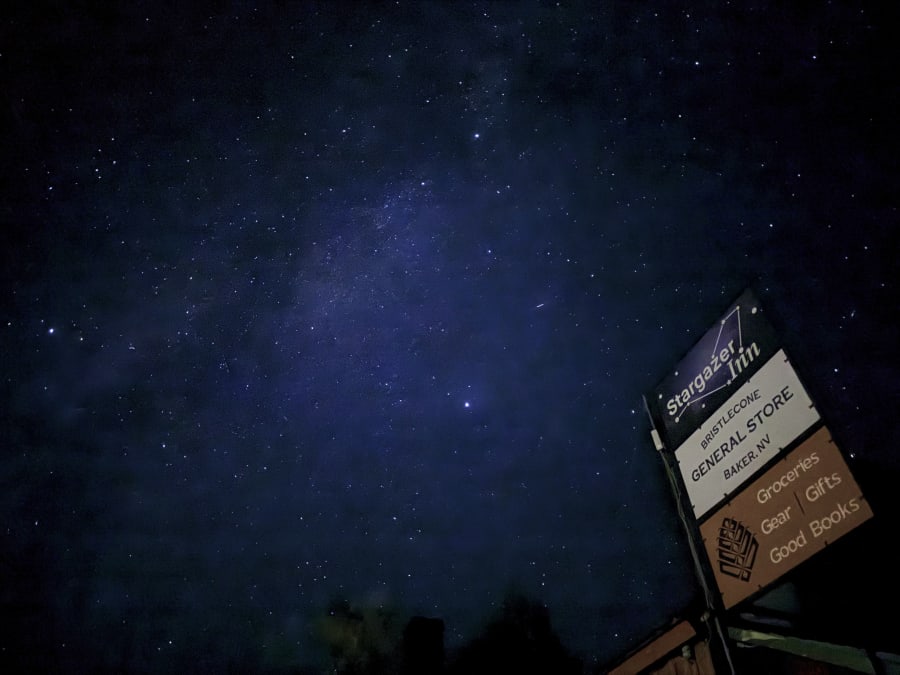
Head east and the mood shifts without losing the magic. The Appalachians and the Blue Ridge fold into soft blue haze, and the stays there sit along scenic parkways and river gorges, close to some of the most visited motels near national parks anywhere in the country. Farther north, the Whites of New Hampshire and the Greens of Vermont hold classic notch-and-summit country, where a motel by a covered bridge or a ski-town main street has been welcoming hikers and skiers for generations.
What ties all of these together is proximity. A mountain motel worth the drive puts you within striking distance of the reason you came, whether that is a summit register, a chairlift, or a park entrance station. The best ski town stays sit close enough to walk to the lift or shuttle stop, and the best trailhead motels put the trail so near you can scout it from the parking lot the night before.
When to go
Two seasons define mountain country, and the same motel can feel like two different places between them. Summer is for hiking, when the snow has pulled back off the high routes and the days stretch long enough for real distance. This is peak season near the trailheads and the parks, so the good stays fill early and the parking lots turn over before breakfast. If you are chasing wildflowers and alpine lakes, this is your window, and it pays to plan ahead.
Winter belongs to the skiers. The ski town stays come alive when the lifts start turning, and a motel within reach of the base area becomes the whole trip: gear by the door, a hot tub steaming in the cold, and a short, happy walk home at the end of a day on the mountain. The trade is snow on the passes and short daylight, so travelers watch the road reports and give the drive the respect it deserves.
Between the two lie the seasons the regulars quietly love. Shoulder season brings empty trails, easier rooms, and a stillness the crowds never see. And fall turns the whole idea into color, when the aspens go gold in the West and the hardwoods flare red and orange in the East, and a mountain motel with a porch becomes the best seat in the country. If you want the ranges at their most beautiful and their least crowded, go when the leaves turn.
How to choose your stay
Start with what you are chasing, and let it set your address. If it is a summit, look for a trailhead motel close enough to walk out the door and start climbing. If it is the lifts, a ski town stay near the base is worth more than any amenity. If it is a park, a stay near the entrance saves you the worst of the morning line. Distance to the thing you came for is the single most useful filter in the mountains.
Then match the practical details to your trip. Traveling with a dog, drying gear every night, or starting before sunrise all point you toward the base-camp specialists rather than the pretty-but-precious rooms. Read for the small signals that a place actually understands mountain travelers: early coffee, covered parking, a real drying space, and a hot tub that runs when the temperature drops. Those are the mountain lodges that make the trip better instead of just housing it.
Every stay in this guide is vetted the same careful way, judged on the feeling, the base-camp practicality, and the honest word of the people who have stayed there. The Elite Boutels highlighted in the sidebar are simply the best of that group, the mountain motels that get the whole thing right, so you can point the car uphill and trust that the lights will be on when you arrive.
Questions about mountain motels
What is a mountain motel?
A mountain motel is an independent stay set in high country, near trailheads, ski towns, or the gateways to national parks. It works as a base camp: a place to sleep hard, dry gear, feed a dog, and soak out a long day before heading back up the mountain.
What amenities matter most at a mountain lodge?
Look for early breakfast or pre-dawn coffee, somewhere to dry wet boots and shells overnight, dog-friendly rooms, easy parking, and a hot tub for after a hard day. Those base-camp details matter more in the mountains than a fancy lobby ever will.
When is the best time to visit mountain country?
Summer is for hiking once the snow clears the high routes, and winter is for skiing near the lifts. Shoulder season brings empty trails and easier rooms, while fall lights up the ranges with gold aspens out West and red hardwoods in the East for the most scenic, least crowded trip.