There is a particular kind of American stay that belongs to the edge of the country without belonging to the beach itself. It sits above a working harbor, or across a two-lane road from a tide pool, or up a bluff where the fog rolls in like it owns the place. You wake to gulls and diesel and the clank of rigging, you smell salt before you see water, and the ocean is close enough to walk to but not so close that a storm tide ends up in your suitcase. That is the coastal motel, and once you learn to spot it, you will want to plan whole trips around it.
We keep it separate from our Beach guide on purpose. A beach stay is on the sand, or directly across the street from it, and its whole pitch is the immediate surf. A coastal stay is broader and, we would argue, more interesting: it is the fishing village and the sound, the rocky headland and the bay light, the little room with a view of boats that go out before you are awake. Both coasts qualify, and so do a few places most people forget are coastal at all.
The coast is bigger than the beach
Say the word coast and most people picture a wide flat beach, but the actual American coastline is a far stranger and more varied thing. It is the granite and spruce of the Maine shore around Penobscot Bay and Bar Harbor, where the water is more likely to be studded with lobster buoys than beach umbrellas. It is Cape Cod's back-bay side, quieter than the ocean beaches and lit by that low silver light painters keep trying to bottle. It is Montauk and the Hamptons out at the far end of Long Island, half glamour and half fishing town, depending on which street you turn down.
Run your finger down the map and it keeps changing character. The Jersey Shore has its boardwalk towns, but it also has bay sides and inlets where the crowd thins and the herons stand around like they are waiting for a bus. Florida and the Keys give you mangrove edges and channels and sunsets that draw a nightly audience. Along the Gulf, the Mississippi coast, the Florida panhandle, and Galveston trade in warm brown-green water, shrimp boats, and a slower clock. None of these are the same trip, and a coastal motel is how you meet each one on its own terms.
A coastal motel hands you the whole shoreline: the harbor, the tide pool, the headland, all a short walk from the door.
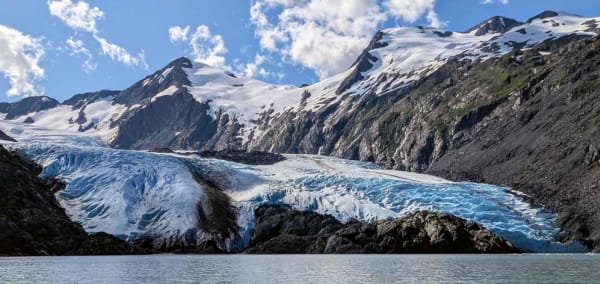
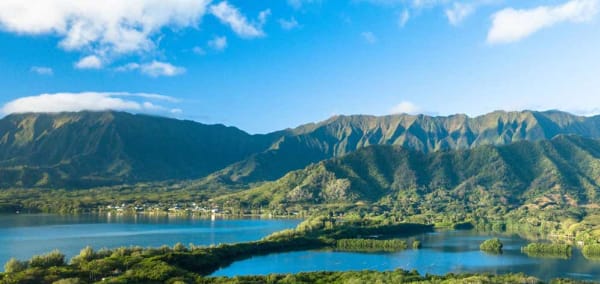
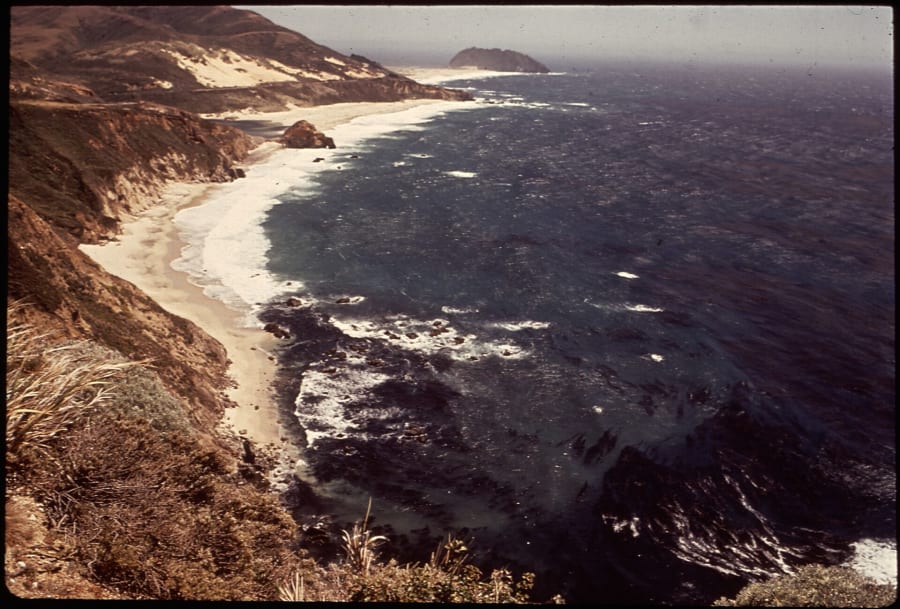
Then you cross the country. The Pacific coast is the one that most stubbornly refuses to be a beach. Big Sur and Mendocino are cliff and swell and cypress, the kind of shore you admire from above with a coffee going cold in your hand. The Oregon coast stacks sea stacks and headlands one after another for hundreds of miles. Puget Sound is all islands and ferries and calm inland water, and up in Pacific Alaska and out in Hawaii the coast becomes something else again, glacier-fed or volcanic, but coast all the same.
The walk to the water
The defining feature of a coastal stay is not the view from the window, though a good one helps. It is the walk. You leave the room, you cross a road or follow a path down through beach grass and salt-stunted pines, and in a few minutes you are at the tide line, or the harbor rail, or a bench on a bluff. That short walk is the whole point. It turns the water from a backdrop into a destination, something you go to and come back from, ideally more than once a day.
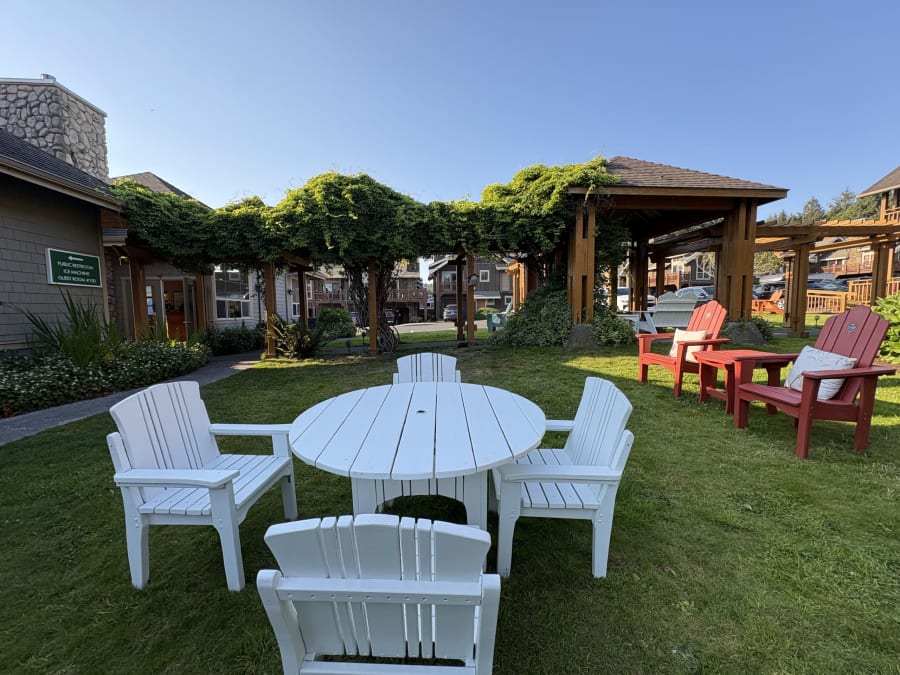
Morning is for the harbor, when the boats head out and the light is thin and honest. Midday is for the tide pools and the rocks, when you can crouch over a green anemone and feel briefly ten years old. Evening is for the headland, wine optional, sweater not. A motel that puts all of that within a short stroll is doing something a beachfront tower cannot: it is handing you the coast in its full, unhurried variety instead of a single strip of sand.
Working harbors and honest towns
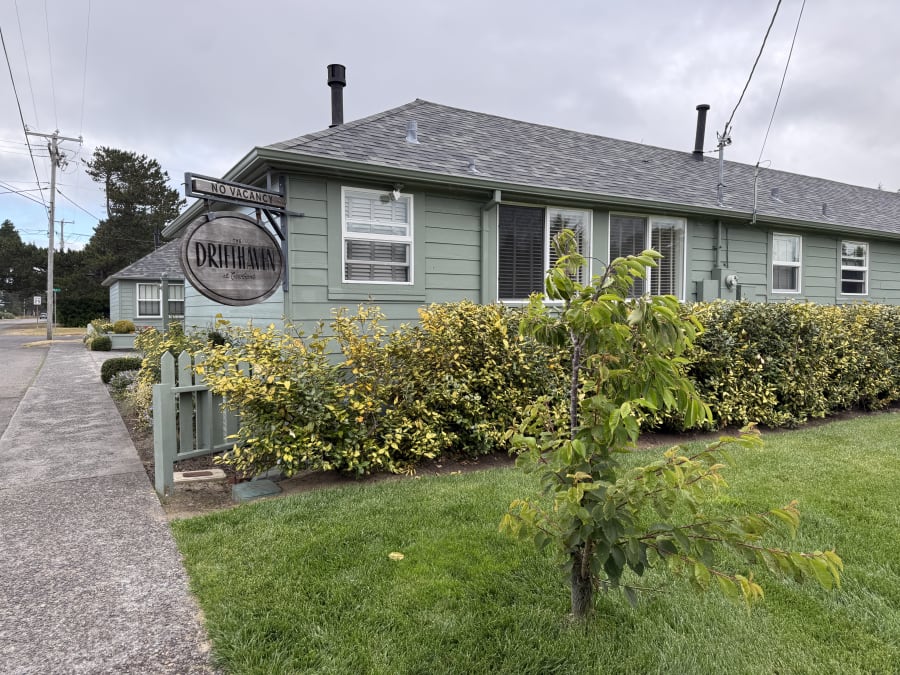
Coastal motels tend to live in real towns, the kind that were here long before tourism and will be here long after. These are places where the economy still smells faintly of bait, where the diner opens for the fishermen and not for you, and where the person at the front desk can tell you where the water is doing something worth seeing today. There is a texture to that you do not get on a resort strip. You are a guest in a place that has its own reasons for existing.
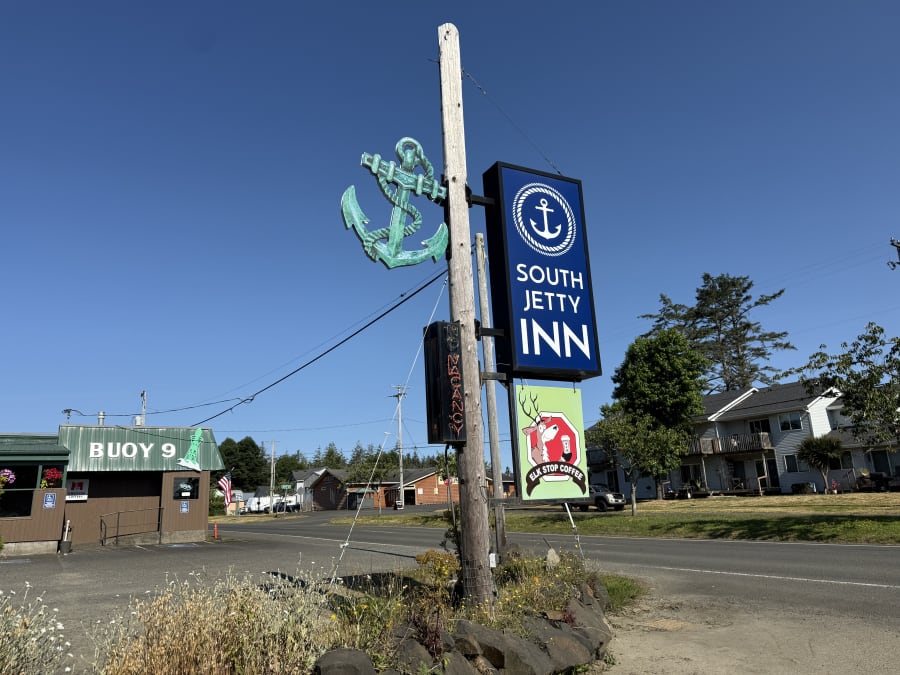
That is the quiet argument for staying coastal rather than beachfront. You trade a little immediate sand for a lot of character: the chandlery, the fish market, the long pier, the light on the water at the hour when the day boats come home. You sleep near a place that works for a living. Then in the morning you take that short walk to the water, and you understand exactly why anyone bothered to build a town all the way out here at the edge of the map.
Questions about coastal motels
What is the difference between a coastal motel and a beach motel?
A beach motel is on the sand or directly across the street from it, built around immediate access to the surf. A coastal motel is on the coast in the broader sense, facing a bay, harbor, sound, or headland, usually a short walk from the water rather than right on it. Coastal is about salt air and the walk down; beach is about stepping straight onto the sand.
Do coastal motels always have an ocean view?
Not always, and that is fine. Some face a working harbor or a quiet sound, some sit up a bluff or tucked among the pines a few minutes from the tide line. The common thread is proximity and character, not a picture-window view. The best of them make the short walk to the water feel like part of the stay.
Which coasts count as coastal for this guide?
Both, and then some. The Atlantic from Maine and Penobscot Bay down through Cape Cod, Long Island, and the Jersey Shore; Florida and the Keys; the Gulf from the Mississippi coast to the panhandle to Galveston; and the whole Pacific run of Big Sur, Mendocino, the Oregon coast, Puget Sound, plus Pacific Alaska and Hawaii. If there is salt in the air and a harbor, headland, or tide pool nearby, it belongs here.