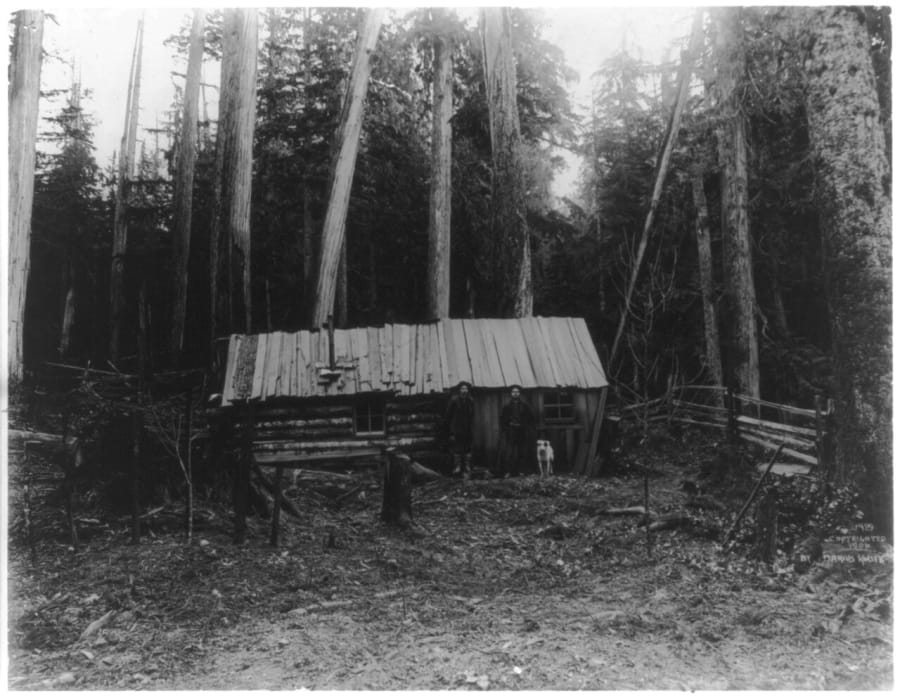
Rustic cabins and lodges are the timber-and-woodsmoke end of the American road trip, the places built from what the land already offered. Log walls, a stone chimney, a floor of wide cedar planks worn smooth by decades of boots. They tend to sit where the map goes green, tucked into a forest, folded against a mountain, or perched close enough to water that you fall asleep to it. The point of a cabin motel is not luxury and it is not roughing it. The point is to be held by the landscape for a night, close to the fire, far from the noise.
What separates a genuinely good rustic stay from a themed imitation is honesty of material and a real connection to where it stands. A great one uses actual log and stone and cedar, not a printed wood-grain panel. It gives you a wood stove or a fireplace that works, a porch to sit on, and a dark, quiet night with more stars than you are used to. And it does all of that while still being cozy rather than primitive, which is the balance the best cabin and lodge stays have spent generations learning to strike.
What makes a rustic stay worth the drive
Start with the materials, because they are the whole personality of the place. Real log construction has a weight and warmth that nothing fakes, and it smells faintly of the forest even years after it was built. Stone shows up in the fireplace and the foundation, cool and solid under your hand. Cedar and pine line the walls and ceilings, and good woodsy road trip stays let that grain show rather than painting over it. When the building is made of honest materials, the room feels rooted, and that rootedness is most of the appeal.
Then comes the fire, which is the heart of any cabin. A wood stove or a working fireplace turns a room from a place to sleep into a place to linger, and the ritual of it, the splitting and stacking and the slow orange light, is part of what people drive hours to find. Around it, the details that matter are a porch or a deck to take your coffee onto in the morning, big windows that frame the trees or the water, and nights dark and quiet enough that you can hear the wind move through the branches and see the sky the way it looked before towns.
The point of a cabin is not luxury and it is not roughing it, it is to be held by the landscape for a night, close to the fire, far from the noise.
None of that would be enough on its own, though, because rustic should never mean uncomfortable. The great cabin and lodge stays pair their timber character with genuine comfort, a good bed that holds up after a long day outdoors, reliable hot water for the shower you have earned, and heat that keeps the cold at the door once the fire dies down. Cozy, not primitive, is the whole idea. A stay that gets the romance right but forgets the plumbing has missed the point entirely.
Where cabin and lodge country clusters
Certain corners of the country are simply cabin country, and they cluster where the forests are deep and the water is cold. The Northwoods of the upper Midwest, all pine and birch and lake, may be the most classic of all, the region that taught America what a lakeside cabin should feel like. Farther west, the Rockies and the Sierra deliver the alpine version, lodge stays at altitude where the air is thin and clean and the peaks stand over you from the porch.
The Pacific Northwest offers something greener and mossier again. The Cascades and the Olympics hold cabins under enormous trees, in country so lush it feels almost prehistoric, with rivers running fast and clear nearby. Swing east and the mood softens into the rounded, ancient hills of the Appalachians and the Smokies, where cabin stays lean into hollows and ridgelines and the long blue haze the mountains are named for. And up in northern New England, the Maine woods and the White and Green Mountains keep an old lodge tradition alive, the kind of place with a stone hearth in the main room and a lake at the end of the drive.
These regions share more than trees. They share a certain unhurried ethic, a sense that the reason to come is the setting itself, and that the stay is meant to put you inside it rather than wall you off from it. A cabin motel in any of them is really selling the same thing, a night spent on speaking terms with the landscape.
Reading the seasons before you go
A rustic stay is a different animal in each season, and choosing the right one is half the trip. Autumn is the headline act in the Northwoods, the Appalachians, and northern New England, when the hardwoods turn and the whole forest goes gold and red and copper around the cabin. Fall is also when the fire earns its keep and the porch sitting gets its sweater-weather sharpness, and it is the season the region's regulars quietly love best.
Winter belongs to the fireplace and the deep quiet. Snow settles the woods into stillness, the wood stove becomes the center of gravity, and the appeal narrows to something simple and good, warmth inside and cold beauty out the window. Summer flips the whole thing toward the water, when lakes warm enough to swim, evenings stretch long and golden, and a cabin near a shoreline becomes the plainly obvious best place in the country to be. Knowing which season you are chasing tells you where to point the car.
How Boutels vets a rustic stay
Every cabin and lodge in this guide has been checked against the same standards, honest materials over theme-park imitation, a real connection to its landscape, and genuine comfort underneath the rustic charm. The goal is to steer you toward the places that get the balance right, warm and woodsy and rooted, without sending you somewhere the romance ran out before the plumbing was finished.
The Elite Boutels listed in the sidebar are the very best of this group, the standouts that earn a stop even when they are out of your way. Whether you are planning a leaf-peeping loop, a snowbound fireside weekend, or a summer by the lake, they are the ones worth building a route around.
Questions about rustic cabins & lodges
What makes a cabin or lodge stay genuinely rustic rather than just themed?
Honest materials and a real tie to the setting. Look for actual log, stone, and cedar rather than printed wood-grain panels, a working wood stove or fireplace, a porch, and a dark, quiet night. A themed room borrows the look, while a true rustic stay is built from the land it sits on.
Does rustic mean roughing it without modern comforts?
No. The best rustic cabins and lodge stays are cozy, not primitive. They pair timber character with a good bed, reliable hot water, and real heat once the fire dies down. Rustic is about materials and setting, not about doing without the comforts that let you actually rest.
Which regions are best for a woodsy cabin road trip, and when should I go?
The Northwoods, the Rockies and Sierra, the Cascades and Olympics, the Appalachians and Smokies, and northern New England are the strongholds. Go in autumn for fall color in the eastern and Midwestern forests, in winter for fireside quiet, and in summer for lakeside stays where you can swim and stretch out the long evenings.